 (1).png)
.png)
.png)
.png)
.png)
.png)
.png)
.png)
 (1).jpg)
-

- Mon 12 Oct 2026
ICU SETUP AT HOME IN GHAZIABAD VAISHALI VASUNDHARA INDIRAPURAM
ICU Setup at Home in Ghaziabad, Vaishali, Vasundhara and
Indirapuram
When a loved one needs intensive medical care, families
often face one of the most difficult periods of their lives. Managing hospital
visits, supporting recovery, and ensuring that the patient receives the right
attention can feel overwhelming. For some patients, a doctor may recommend
continuing suitable medical care at home after assessing their condition and
care requirements.
An ICU setup at home in Ghaziabad, Vaishali, Vasundhara
and Indirapuram can help families arrange essential medical equipment and
professional support in a familiar environment. With the right equipment,
trained caregivers, and a treatment plan supervised by qualified healthcare
professionals, home-based critical care may be an option for selected patients.
IBP Health Care Solutions Pvt Ltd helps families enquire
about medical equipment for home-care needs. Call +91-9625234954 to
discuss ICU equipment requirements, rental options, and service availability in
your area.
What Is an ICU Setup at Home?
An ICU setup at home is a planned care arrangement for
patients who require specialised monitoring, respiratory support, or assistance
with daily medical needs outside a hospital. Depending on the patient's
condition and the treating doctor's recommendations, the setup may include:
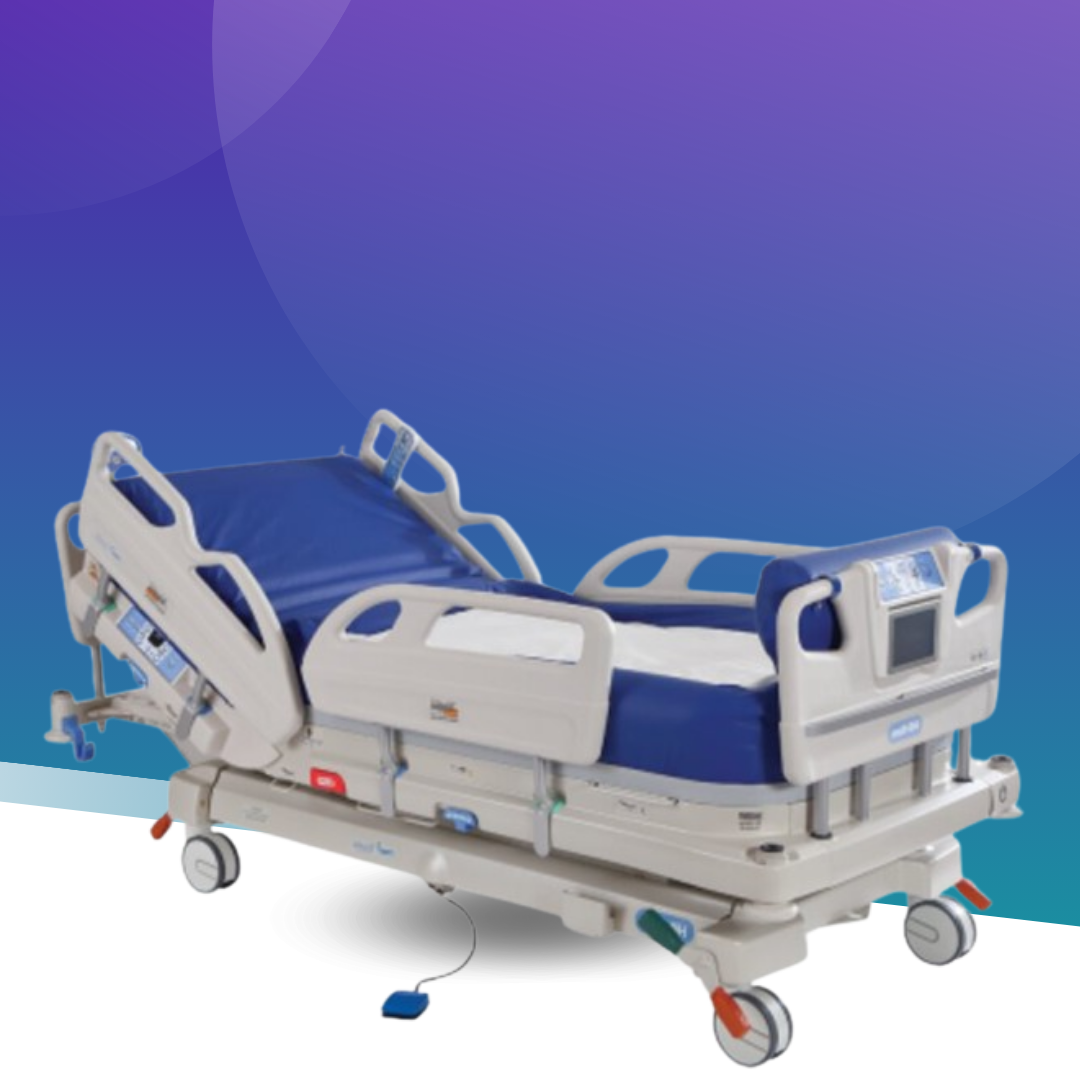
- ICU
hospital bed: Supports patient positioning and bedside care.
- Patient
cardiac monitor: Monitors selected vital signs, depending on the
model.
- Oxygen
concentrator or medical oxygen: Provided according to the prescribed
oxygen requirements.
- Ventilator
or BiPAP machine: Used only when clinically indicated and with
appropriate professional supervision.
- Suction
machine: Helps remove secretions when prescribed.
- DVT
pump: May be recommended for certain patients to support blood
circulation and reduce venous stasis.
- Infusion
or syringe pump: Used when controlled delivery of prescribed fluids or
medicines is required.
- Nursing
and caregiver support: Helps with clinical care, monitoring, hygiene,
and routine patient needs according to the care plan.
Not every patient requires all these devices. The equipment
list should be determined by the treating medical team rather than by choosing
a package based on its name alone.
Benefits of an ICU Setup at Home
1. A Familiar and Comfortable Environment
Being at home allows eligible patients to remain close to
family members and familiar surroundings. Family involvement may provide
emotional reassurance during recovery, although the level of supervision
required depends on the patient's condition.
2. Personalised Care Planning
A home-care arrangement can be planned around the patient's
prescribed treatment, mobility, respiratory support needs, and daily routine.
Equipment and staffing should be selected according to a professional
assessment.
3. Convenient Access to Medical Equipment
Renting suitable equipment may help families arrange
temporary home-care facilities without purchasing every device. Before booking,
confirm the model, accessories, rental period, maintenance arrangements, and
availability.
4. Support for Family Caregivers
Caring for a seriously ill person can be physically and
emotionally demanding. Trained nurses and caregivers may help with appropriate
clinical tasks, hygiene, repositioning, and routine care. Families should
understand which responsibilities require a qualified nurse.
5. A Planned Transition from Hospital to Home
For selected patients who are medically stable enough for
home care, a coordinated discharge plan may help organise equipment, nursing
support, medicines, follow-up visits, and emergency arrangements before the
patient arrives home.
Important: A home ICU is not a substitute for
hospital emergency care. Patients who need immediate intervention or continuous
hospital-level treatment should remain in an appropriate medical facility
unless their treating team has established a safe alternative.
Who May Need ICU Care at Home?
Depending on medical assessment, home-based critical care
may be considered for some patients who:
- Are
transitioning from hospital to a supervised home-care plan.
- Require
prescribed oxygen or respiratory support.
- Need
ongoing monitoring of selected vital signs.
- Have
limited mobility and need specialised bedside assistance.
- Require
nursing support after a serious illness or procedure.
- Need
a coordinated care arrangement for a chronic or complex condition.
A doctor must determine whether home care is clinically
appropriate. Patients who are unstable or experiencing a medical emergency may
need hospital treatment instead.
ICU Setup at Home in Vaishali, Ghaziabad
Families in Vaishali can enquire about hospital beds,
oxygen equipment, patient monitors, suction machines, and other devices
recommended for a home-care plan. The exact setup depends on the patient's
condition, the room available, power requirements, and the availability of
trained support.
Before arranging equipment, confirm the delivery location,
installation requirements, equipment demonstration, and access to technical
assistance.
ICU Setup at Home in Vasundhara
In Vasundhara, families planning home care should
prepare a clean, accessible room with enough space for the bed, medical
equipment, and caregivers. Electrical sockets, ventilation, safe cable
placement, and access for emergency personnel should be considered.
If respiratory support or continuous monitoring is required,
discuss backup power, oxygen backup, alarm response, and emergency transfer
arrangements with the healthcare team.
ICU Setup at Home in Indirapuram
For families in Indirapuram, an organised home-care
setup can bring the prescribed equipment together in one dedicated space.
Depending on the care plan, this may include an adjustable ICU bed, monitoring
equipment, oxygen support, suction equipment, and trained nursing assistance.
Contact IBP Health Care Solutions Pvt Ltd to enquire about
equipment rental options and confirm whether the required devices and services
are available for your address.
How to Arrange an ICU Setup at Home
Step 1: Consult the Treating Doctor
Ask whether the patient is suitable for home care and obtain
a clear list of required equipment, monitoring, nursing hours, and treatment
instructions.
Step 2: Explain the Patient's Needs
When contacting the provider, share the patient's care
requirements, expected duration, location, and any specific equipment
prescribed.
Step 3: Confirm Equipment and Rental Charges
Ask about device specifications, accessories, deposits,
rental periods, delivery, installation, maintenance, and replacement
arrangements.
Step 4: Arrange Qualified Nursing Support
Confirm whether trained nurses are needed and who will
manage clinical tasks, alarms, medicines, and monitoring. Do not assume that
equipment rental automatically includes nursing services.
Step 5: Prepare the Room and Emergency Plan
Ensure adequate space, safe electrical connections, suitable
hygiene practices, and access to emergency services. Arrange backup power and
oxygen according to the clinical team's recommendations.
Step 6: Request Demonstration and Training
Before use, ensure that responsible caregivers receive instructions from qualified